|
|
Liebe FreundInnen der Kunst!
|
|
In den letzten Monaten (Jahren eigentlich!) gab es nur spärlich News von mir. Der Hauptgrund ist, dass ich seit 2022 fast ausschließlich an meinem bisher größten Projekt arbeite: einer Recherche, einer Reise zu Kohlekraftwerken in ganz Deutschland. Ergebnis ist eine umfangreiche Sammlung an Texten und Fotos, die hoffentlich bald als Buch erscheinen wird. Bis es soweit ist, gibt es als Appetizer Auszüge per Newsletter.
|
|
|
|
Kapitel 1: Die Anfänge in Grevenbroich
|
|
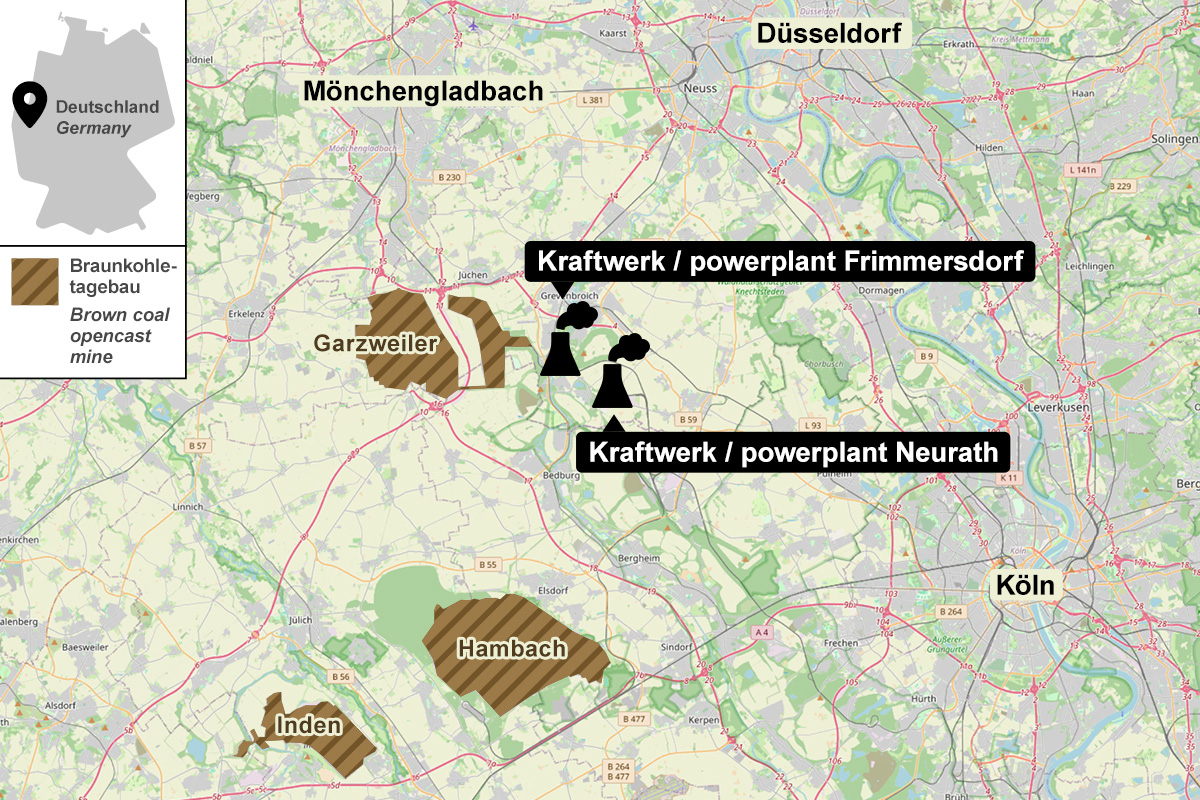
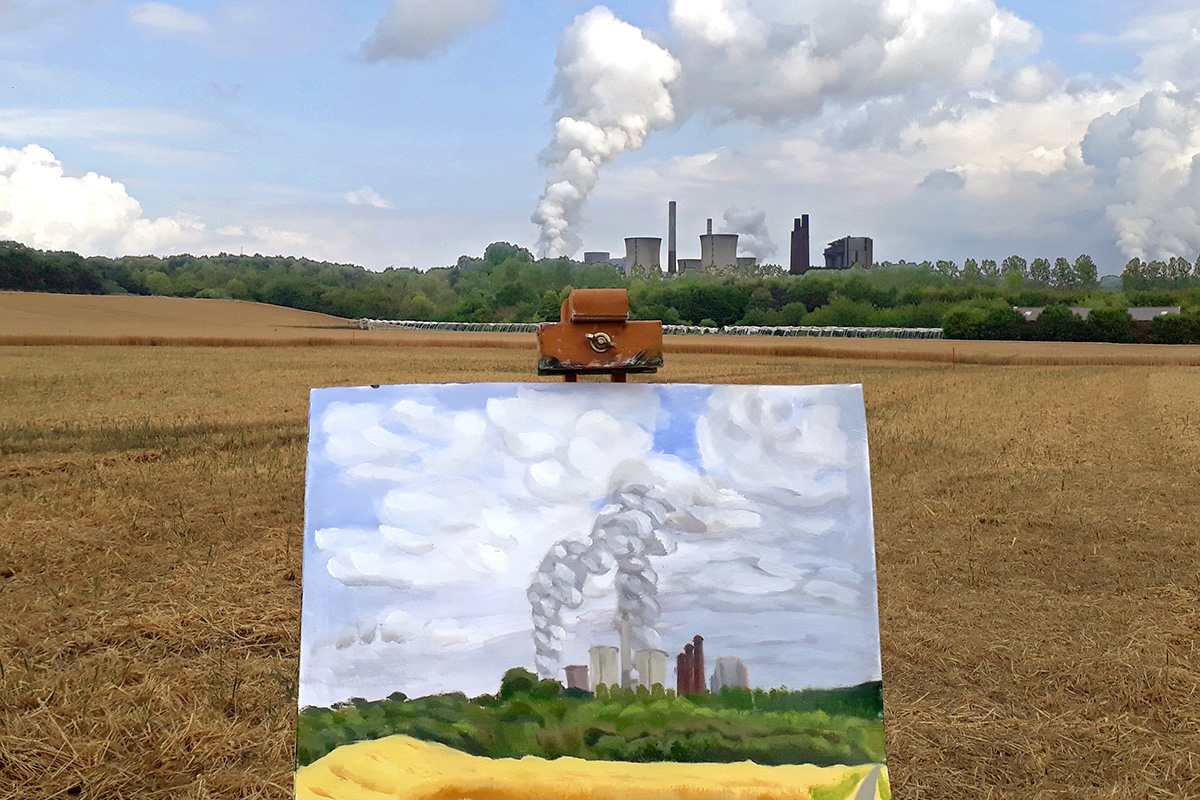
2019, als der Kohleausstieg beschlossen wurde, kam ich auf eine Idee: ich würde Kohlekraftwerke besuchen und sie malen, plein air, direkt vor Ort. Nicht der Malerei wegen, sondern weil ich wusste, dass ich so, quasi undercover, mit Leuten ins Gespräch kommen würde: anders, unvermutet, durch die Kunst, über das Sichtbare auf und das Unsichtbare jenseits der Leinwand. Es ging um Schönheit und Heimat, um Klima, Energie und Politik, um individuelle Lebenswege. Meine erste Reise, quasi als Test, führte mich 2019 nach Grevenbroich, zu den Kraftwerken Frimmersdorf und Neurath. Dann kam allerdings Corona und erst 2022 konnte ich mein Projekt fortsetzen.
|
|
|
|
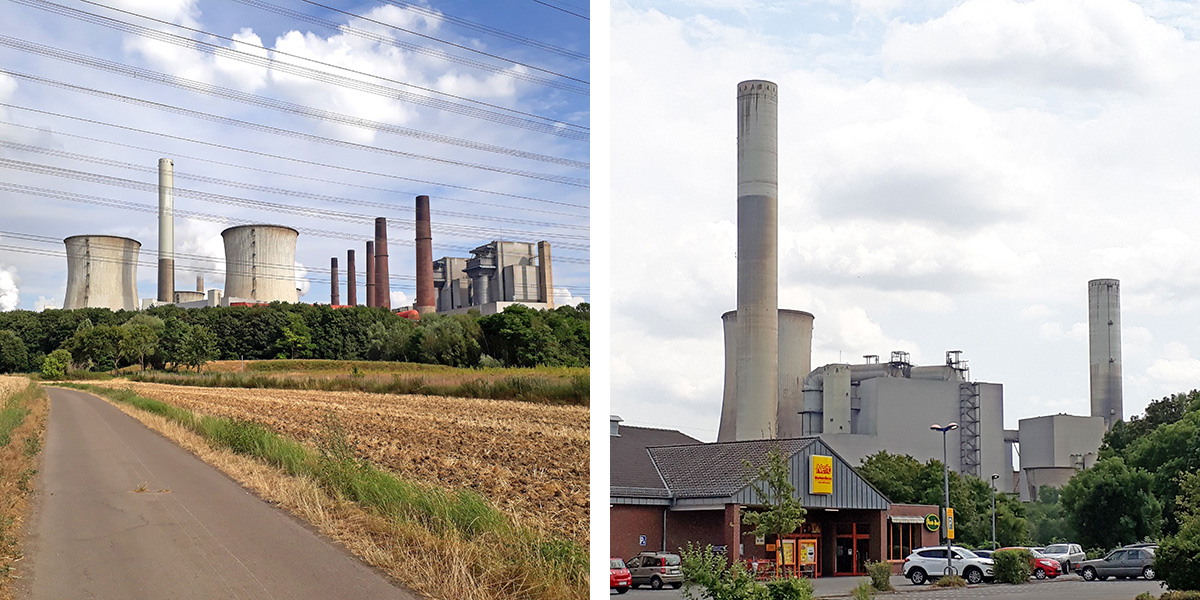
Kraftwerk / power plant Frimmersdorf
|
|
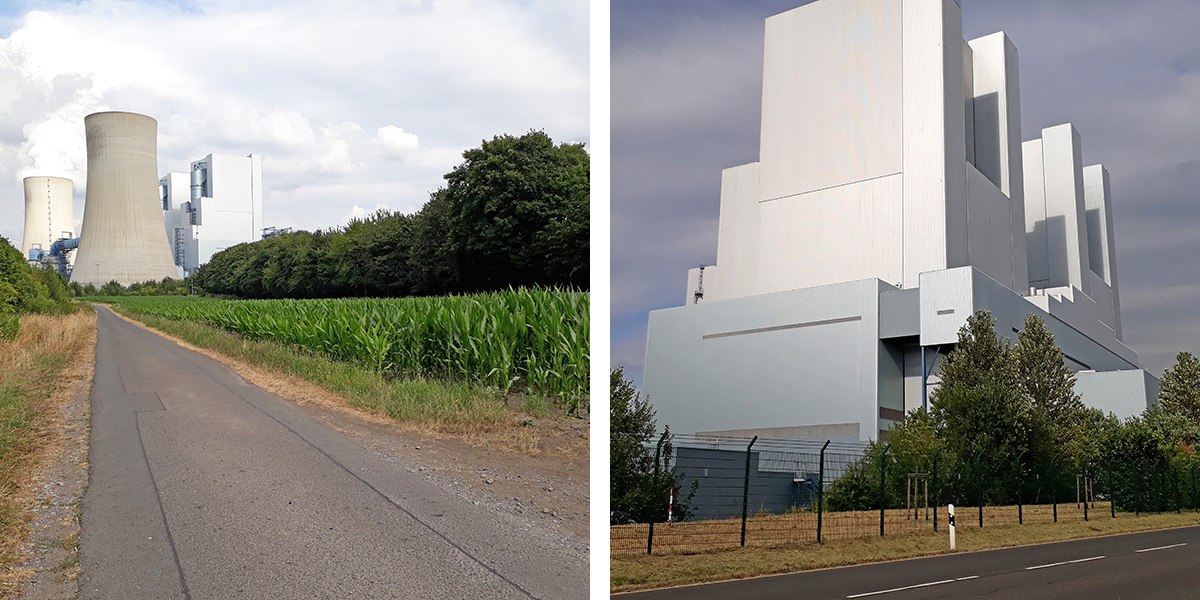
Das Kraftwerk Frimmersdorf ist mittlerweile stillgelegt und soll zu einem Digitalpark entwickelt werden. Das Kraftwerk Neurath ist ein Gigant und hat die höchsten Kesselhäuser der Welt – und produzierte damals auch europaweit die zweithöchsten Treibhausgasemissionen. Betrieben wird es mit Braunkohle aus dem Tagebau Garzweiler, solange bis ab 2030 in Nordrhein-Westfalen keine Braunkohle mehr verbrannt werden soll. Dann sollen die Tagebaue (Garzweiler, Hambach, Inden) geflutet und so zu Seen umgewandelt werden. Das Tagebaurestloch (heißt wirklich so) Hambach ist dabei so groß, dass dieser Prozess bis 2070 dauern wird.
|
Nächstes Kapitel: Altbach und Deizisau bei Esslingen am Neckar.
|
|
|
|
Eine meiner Malereien aus Grevenbroich / One of my paintings from Grevenbroich
|
|
|
|
|
|
Over the last few months (years, actually!) there has been very little news from me. The main reason is that, since 2022, I have been working almost exclusively on my biggest project to date: a research project, a journey to coal-fired power stations across Germany. The result is an extensive collection of texts and photos, which I hope will soon be published as a book. Until then, I’ll be sharing excerpts via my newsletter.
|
|
|
|
Kraftwerk / power plant Neurath
|
|
|
Chapter 1: The Beginnings in Grevenbroich
|
In 2019, when the decision to phase out coal was made, I had an idea: I would visit coal-fired power stations and paint them, en plein air, right there on site. Not for the sake of painting, but because I knew that this way, virtually undercover, I would strike up conversations with people: in a different, unexpected way, through art, about what is visible on the canvas and what lies invisible beyond it. It was about beauty and home, about the climate, energy and politics, and about individual life journeys. My first trip, as a sort of trial run, took me to Grevenbroich in 2019, to the Frimmersdorf and Neurath power stations. Then, however, the covid pandemic struck, and it wasn’t until 2022 that I was able to continue my project.
|
The Frimmersdorf power station has now been decommissioned and is set to be developed into a digital business area. The Neurath power station is a colossus and boasts the tallest boiler houses in the world – and, at the time, it also produced the second-highest greenhouse gas emissions in Europe. It is fuelled by lignite from the Garzweiler opencast mine, until 2030, when the burning of lignite is due to cease in North Rhine-Westphalia. The opencast mines (Garzweiler, Hambach, Inden) are then to be flooded and transformed into lakes. The Hambach opencast mine pit is so large that this process will take until 2070.
|
|
Next chapter: Altbach and Deizisau near Esslingen am Neckar.
|
|
|
|
|
|
|
|
|
|